Table of Contents
Quick Take
There’s no single winner in the hardwood vs. luxury vinyl debate — just two great paths depending on what “value” means to you. Hardwood brings timeless beauty, top resale appeal, and a lifespan measured in generations. Luxury vinyl delivers day-to-day comfort, waterproof planks, and an affordable price tag that makes modern life simpler.
For many homeowners, the choice comes down to long-term investment (hardwood) versus low-maintenance practicality (vinyl).
Why This Comparison Comes Up So Often
If you’re flooring shopping in 2025, chances are these two names top your list. Both offer wide planks, realistic textures, and natural tones — but they serve different priorities.
Hardwood has anchored high-end homes for decades, prized by real estate agents for its resale power. Luxury vinyl, on the other hand, wins contractors and families with its water-friendly performance and carefree upkeep.
Let’s look beyond the hype and find which one truly adds more value to your home.
Defining the Two
Hardwood
Comes in both solid and engineered forms. Solid hardwood can be refinished repeatedly — it’s the “buy it once, love it forever” option. Engineered hardwood delivers the same real-wood surface with greater stability in kitchens and humid areas. Buyers and appraisers recognize both as premium features that lift resale appeal.
Luxury Vinyl (LVP)
Made from a dense vinyl core with a realistic textured top layer. The planks are waterproof at the surface and softer underfoot than tile or wood. It’s budget-friendly, durable, and offered in wood, stone, and patterned looks that fit modern living.
Style & Visual Appeal
Hardwood’s charm lies in its authenticity. The grain, texture, and tone of real oak, hickory, maple bring warmth that never feels manufactured. In 2025, wide matte planks in oak, walnut, and mid-brown tones dominate design boards.
Picture walking into a living room with natural white oak floors catching morning light — it feels fresh yet timeless.
Luxury vinyl has evolved dramatically. Embossed textures now sync with the printed image so the grain feels real under your fingertips. It’s available in everything from driftwood-gray planks to stone visuals that elevate kitchens and basements alike.
One family chose stone-look vinyl for their kitchen. “We wanted the look of slate,” they said, “but without cold toes or sealing grout.”
Durability & Everyday Life
Hardwood is strong but not invincible. Chairs scraping out, kids dragging toys, or dogs racing across the floor can leave marks. The saving grace? Refinishing. A quick sand and new finish erases years of wear, giving the floor another life.
Luxury vinyl trades permanence for practicality. It resists everyday scuffs and handles high traffic without complaint, but deep dents or scratches can happen under heavy furniture and rolling office chairs. For most busy households, though, that trade-off is worth the peace of mind.
Moisture & Maintenance
Hardwood: A small spill wiped up fast is fine; a dishwasher leak or damp basement is not. Wood swells with moisture, which limits it to dry areas. Every 7–10 years, refinishing keeps it looking its best.
Luxury Vinyl: Here’s where it shines. Spilled juice during movie night? Just grab a towel. Vinyl’s waterproof planks make everyday cleanup stress-free. The only caveat is the seams — water that seeps into edges can reach the subfloor over time.
Installer Tip: Ask your installer about edge sealing or baseboard caulking for kitchens and baths. It won’t make vinyl flood-proof, but it gives you extra time when life gets messy.
Longevity & Value Over Time
Hardwood earns its reputation as a forever floor. Properly cared for, it lasts 20–50+ years, and some solid planks stretch past a century. Buyers love it because it photographs beautifully, adds texture to interiors, and consistently raises resale value.
One America’s Floor Source customer in Worthington refinished their 1970s golden oak floors and said, “It felt like uncovering history — and they looked brand new.”
Luxury vinyl typically lasts 15–20 years, ideal for homeowners who refresh their style every couple of decades. While its resale value can’t match hardwood, perception is improving quickly as designs and durability rise.
Cost Awareness
Hardwood is a premium investment, especially solid wood. Engineered hardwood softens the upfront hit slightly but still commands higher material and labor costs.
Luxury vinyl sits in the budget-to-mid range. It’s the best way to achieve the hardwood aesthetic without stretching the remodel budget.
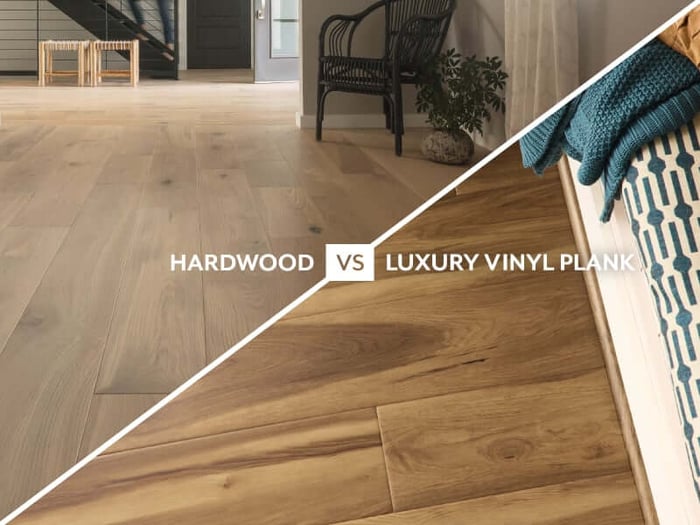
Hardwood vs. Luxury Vinyl: Side-by-Side Comparison
Feature | Hardwood | Luxury Vinyl (LVP) |
Style & Appearance | Timeless, authentic wood grain | Realistic visuals in wood, stone, or pattern |
Durability | Strong, great to refinish | Good, softer surface can dent |
Moisture Resistance | Poor–moderate | Excellent (planks waterproof; edges still vulnerable) |
Maintenance | Requires refinishing & up keep | Easy sweep/mop routine |
Longevity | 20–50+ years | 15–20 years |
Resale Value | High, long-term ROI | Moderate, improving |
Cost Position | Premium | Budget–Midrange |
Which Adds More Value to Your Home?
It depends on what value means to you.
- If you define it as resale and long-term investment, hardwood remains the gold standard. It elevates design, lasts for generations, and holds strong appeal in listings.
- If you define it as everyday comfort and convenience, luxury vinyl delivers practical value that fits modern family life. It’s quieter, warmer, and easier to live with.
Many homeowners find balance: hardwood in main living areas for prestige, vinyl in kitchens and basements for practicality.
The Bottom Line
Both hardwood and luxury vinyl add value — just in different currencies.
- Hardwood adds financial and aesthetic value that lasts for generations.
- Luxury vinyl adds functional value that makes everyday life easier and more relaxed.
Ready to Compare in Person?
Shop hardwood and luxury vinyl collections at America’s Floor Source — see, touch, and find the one that fits your home best.
FAQs
Which is better — hardwood or LVP flooring?
It depends on priorities. Hardwood adds timeless character and boosts resale; vinyl wins for moisture resistance, comfort, and cost.
Is LVP used in high-end homes?
Yes. Designers are using premium vinyl in kitchens, basements, and mudrooms — spaces where water or maintenance make hardwood less practical.
Which is easier to maintain, Hardwood vs. Luxury Vinyl?
Luxury vinyl by far. Sweep and mop as needed. Hardwood needs more care: prompt spill cleanup, furniture pads, and refinishing every decade or so.
Can you mix both in one home?
Absolutely. Many homeowners pair hardwood in living areas with vinyl in utility spaces for a seamless, stylish flow.
Which feels more comfortable and quiet?
Hardwood feels solid and rich but can amplify sound. Vinyl feels softer and quieter — a plus for multi-level or family homes.