
Table of Contents
Layered Window Treatments Made Simple
If you’ve ever walked into a professionally designed room and wondered how the windows look so lush, full, and complete, the answer is often found in the art of layering. A single set of blinds or a basic curtain panel can feel flat and unfinished. Learning how to layer window treatments adds depth, texture, and sophistication to your windows, creating a finished look that is as beautiful as it is functional.
Layering your window treatments isn't just about aesthetics. It's also about creating a versatile solution for light control, privacy, and insulation. By combining different types of window coverings, you can create a customized system that works perfectly for your space.
The Three-Layer Approach: A Step-by-Step Guide
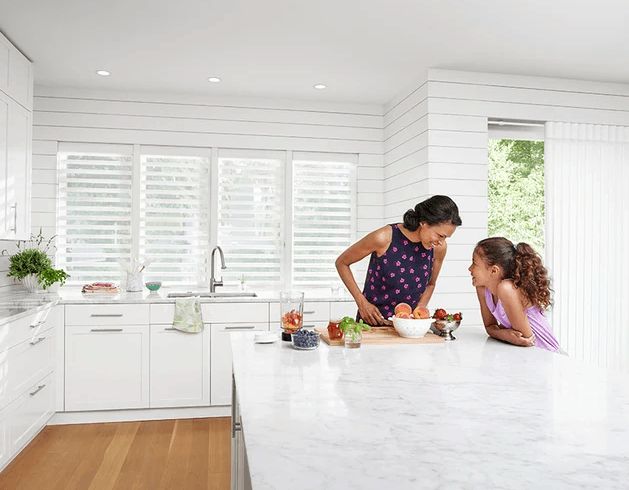
The most common and effective way to approach layered window treatments is to build on a simple three-part system:
- The Inner Layer (Privacy and Light Control): This is the foundation. It's the first thing you install against the window glass. The purpose of this layer is to provide privacy and manage light.
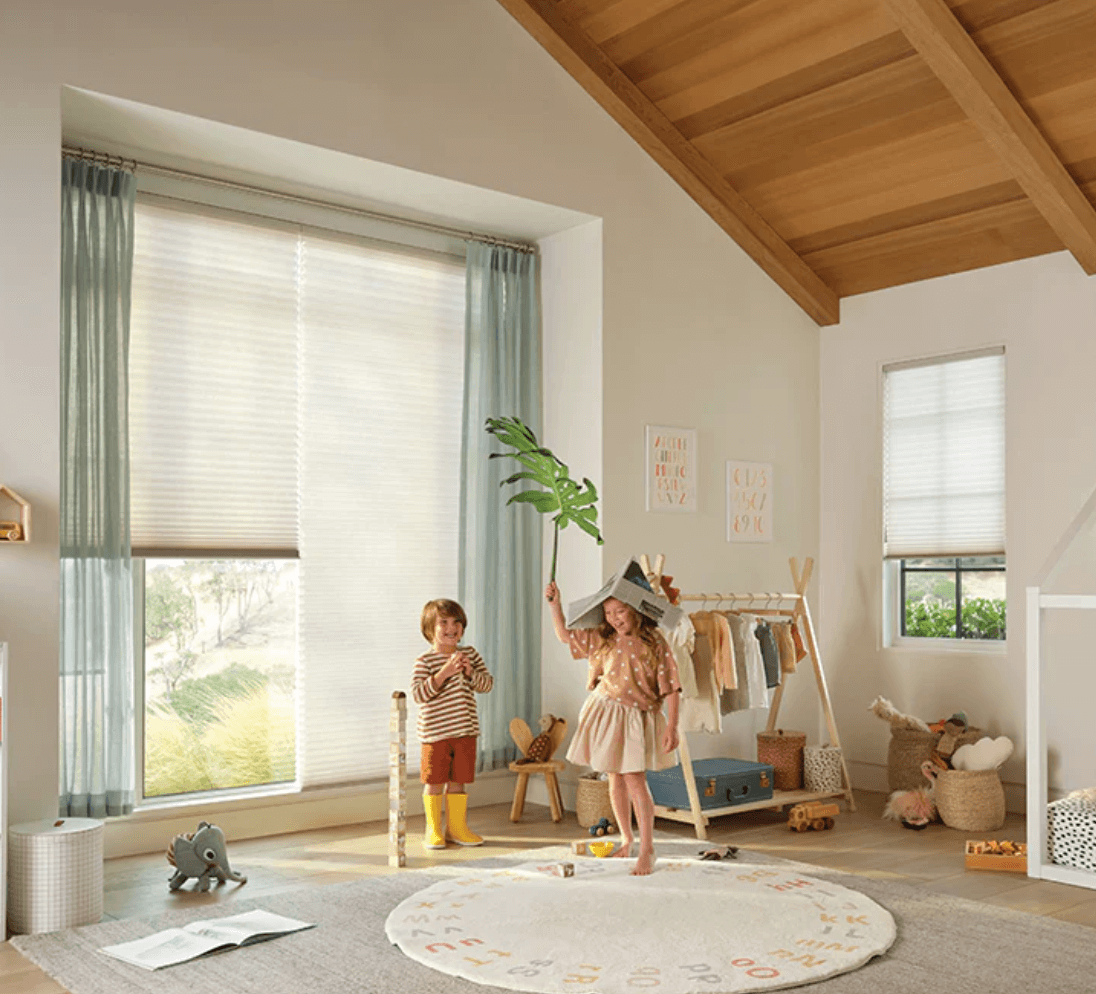
- The Middle Layer (Light Filtering and Softening): This layer adds softness, texture, and a gentle filtering of light. It can be used alone during the day to create a bright, airy feel.
- The Outer Layer (Style and Insulation): This is the decorative, finishing layer that frames the window and pulls the whole look together. It also provides extra insulation and light blocking.
How to Layer Window Treatments: Your Options
Let's break down the different components you can use in your layered design.
Inner Layer Options
- Blinds (Wood, Faux Wood, or Aluminum): Blinds offer precise light control, allowing you to tilt the slats to direct light and maintain privacy. They provide a structured, clean look as a base layer.
- Cellular or Pleated Shades: These shades are excellent for insulation and a sleek, modern look. They can be raised or lowered to a specific height for versatile light control.
- Roller or Solar Shades: For a minimalist aesthetic, roller or solar shades are a great option. They come in a variety of opacities, from sheer to blackout, and roll neatly out of sight when not in use.
Middle Layer Options
- Sheer Curtains: This is the most common middle layer. Sheer curtains soften the light that comes through the window, providing a delicate and airy look. They offer some privacy during the day while still allowing you to see out.
- Linen Panels: A more textured option than sheers, linen panels add a touch of natural warmth and can be a beautiful second layer. They provide more privacy than sheers but are still light-filtering.
Outer Layer Options
- Curtains or Drapes: These are the star of the show. Curtains are generally unlined panels, while drapes are heavier and lined for better insulation and light blocking. Choose a fabric, color, and pattern that complements the style of your room.
- Valances or Cornices: A valance or cornice is a decorative fabric or wooden piece that is mounted at the top of the window to hide the hardware of your inner layers. They add a finished, tailored look to the top of your window treatment.
Modern Layered Window Treatments Combinations
For a contemporary and sleek look, focus on clean lines and a minimalist approach.
- Blinds + Curtains: This is a classic, effective combination. Pair sleek, cordless blinds in a neutral tone with floor-length curtains in a solid color or a simple pattern.
- Roller Shades + Sheers: For a soft, minimalist look, use a light-filtering roller shade as your inner layer and sheer curtains on a separate rod as your middle layer. The sheers will add texture and a soft glow, while the roller shade provides easy light control.
- Shutters + Curtains: For a sophisticated and functional look, pair classic interior shutters with side panels of curtains. The shutters provide privacy and a structured look, while the curtains add color and texture.
Create Your Perfect Space with Hunter Douglas Window Treatments from America’s Floor Source
Learning how to layer window treatments is a skill that can elevate the entire design of your room. By combining the right inner, middle, and outer layers, you can create a beautiful, functional, and completely customized look that provides the perfect balance of light, privacy, and style.
At America’s Floor Source, you can access a wide range of in-home samples or a visualizer tool that lets you see the collections in your own space before purchasing.

The right layered window treatments and flooring selections goes far beyond features. Schedule a private design consultation with our expert consultants for personalized guidance on material composition and the right window treatments for your home. This ensures every selection is a precise match for your vision and lifestyle.
FAQs
Do I need all three layers, or can I mix and match based on my needs?
Not necessarily. Each layer serves a distinct purpose, so you can scale back depending on what you need. A roller shade, for instance, works well as a standalone inner layer for daytime light control, or you could stop at two layers, like blinds plus curtains, if you don't need the extra softness a middle layer provides.
What's the difference between curtains and drapes. Does it matter which one I use as my outer layer?
Yes, it matters. Curtains are generally unlined panels, while drapes are heavier and lined, making them better for insulation and blocking light. If your main goal with the outer layer is style and airiness, curtains work well; if you want more functional light blocking and insulation along with the finished look, drapes are the better choice.
Can I layer window treatments in a small room without making it feel cluttered?
Yes, as long as you focus on clean lines and a minimalist approach. Pairing a light-filtering roller shade with sheer curtains keeps things simple, since the shade rolls neatly out of sight when not in use, and the sheers add softness without heavy fabric bulk.